
ISO 14019: What You Need to Know About the New Sustainability Verification Standard

If you’ve been following sustainability reporting lately, you’ve probably noticed something: everyone’s talking about credibility. Investors want proof. Regulators are tightening rules. And customers are getting better at spotting greenwashing.
That’s where ISO 14019 comes in.
This new international standard is reshaping how companies verify their sustainability claims—and it’s particularly relevant if you’re operating in markets like the UAE where ESG disclosure expectations are rising fast.
What Exactly Is ISO 14019?
ISO 14019 is an environmental management standard that sets out how sustainability information should be independently checked and verified. Think of it as the rulebook for proving your ESG data is accurate.
The standard is built in four parts:
- ISO 14019-1 establishes the core principles and requirements that apply to all validation and verification work.
- ISO 14019-2 covers the detailed verification process for historical data—things like last year’s emissions or current diversity metrics.
- ISO 14019-3 (still in development) will focus on validating forward-looking statements, such as climate targets or transition plans.
- ISO 14019-4 sets requirements for the organizations and professionals who actually perform this verification work.
The key difference from other standards? ISO 14019 doesn’t tell you what to report. It tells you how to prove what you’re reporting is real.
Why Was This Standard Necessary?
The short answer: because trust was breaking down.
As sustainability reporting exploded over the past decade, so did the number of questionable claims. Carbon neutral products that weren’t. Net-zero commitments with no credible pathway. Social impact figures that couldn’t be backed up.
Regulators, investors, and the public started demanding better. The EU introduced mandatory assurance requirements under its Corporate Sustainability Reporting Directive. Investors began asking harder questions about ESG data quality. Greenwashing lawsuits multiplied.
ISO 14019 emerged from this pressure. Developed through ISO’s technical committee on environmental management (ISO/TC 207), the standard provides a unified approach to verification that works across different reporting frameworks and jurisdictions. It’s designed to give everyone—from CFOs to compliance officers to external auditors—a consistent way to talk about what “verified” actually means.
How ISO 14019 Fits Into the Sustainability Landscape
If you’re already familiar with standards like ISO 14001 or ISO 14064, here’s how ISO 14019 relates:
ISO 14001 helps you build an environmental management system. ISO 14019 helps verify what that system produces when you report on it.
ISO 14064 gives you methodologies for calculating greenhouse gas emissions. ISO 14019 can be used to verify those emissions alongside your broader ESG disclosures.
GRI, ISSB, CSRD—these frameworks define what sustainability information to disclose. ISO 14019 defines how to get that information assured.
What makes ISO 14019 particularly useful is its scope. Unlike narrower verification standards focused on carbon or energy, this one covers the full ESG range: environmental metrics, social performance, governance data, and both numbers and narrative content.
That breadth matters because modern sustainability reporting isn’t just about emissions anymore. It’s workforce data, supply chain transparency, board composition, water use, human rights due diligence—the list goes on. You need an assurance framework that can handle all of it.
Why UAE Companies Should Pay Attention
ISO 14019 is an international standard, which means it’s relevant everywhere—including the Middle East.
For companies in the UAE, several factors make this standard worth understanding now:
Capital markets access. If you’re raising funds internationally or working with global investors, credible ESG data is increasingly non-negotiable. Verified information under a recognized standard like ISO 14019 strengthens your position.
Regional momentum. Stock exchanges across the Gulf are rolling out ESG disclosure guidance. National sustainability agendas are accelerating. The regulatory direction is clear, even if timelines vary.
Green finance. Whether you’re issuing green bonds, securing sustainability-linked loans, or participating in climate funds, lenders want evidence. Validated sustainability claims reduce risk and can improve terms.
Reputation protection. As greenwashing scrutiny intensifies globally, unverified claims carry reputational and potentially legal risk. Verification provides a documented defense.
At Planet First Consultants, we’re already working with UAE-based organizations to prepare their sustainability data for external assurance. The companies getting ahead of this are the ones building verification-ready systems now—before it becomes a rushed compliance exercise.
Practical Steps for Getting Started
You don’t need to implement ISO 14019 overnight, but you can start preparing:
- Audit your current sustainability data collection. Can you trace reported figures back to source documents? Are controls in place? Is the process documented?
- Identify what needs verification. Not all sustainability information requires the same level of assurance. Focus on material metrics and regulatory requirements first.
- Understand your assurance options. Limited assurance, reasonable assurance, mixed engagements—each has different implications for cost, scope, and credibility.
- Talk to your assurance provider early. Whether that’s your financial auditor, a specialist ESG verifier, or a consultancy, get them involved during reporting design, not after.
What This Standard Really Signals
ISO 14019 represents more than just another compliance checkbox. It marks a fundamental shift in how sustainability information is treated.
For years, ESG reporting lived in a different world from financial reporting—softer expectations, less scrutiny, more room for storytelling. That gap is closing. As sustainability data becomes decision-critical for investors, lenders, and regulators, it’s being held to the same standards of accuracy and reliability as financial statements.
The organizations that recognize this early—and build verification into their DNA rather than bolting it on at the last minute—will be the ones that maintain stakeholder trust when scrutiny intensifies. Because it will intensify. The question isn’t whether your sustainability claims will be challenged. It’s whether you’ll be ready with credible answers.
- All Posts
- blog
- Cases
How Amazon Sellers Can Earn the Carbon Impact Badge — And Why a Product Carbon...
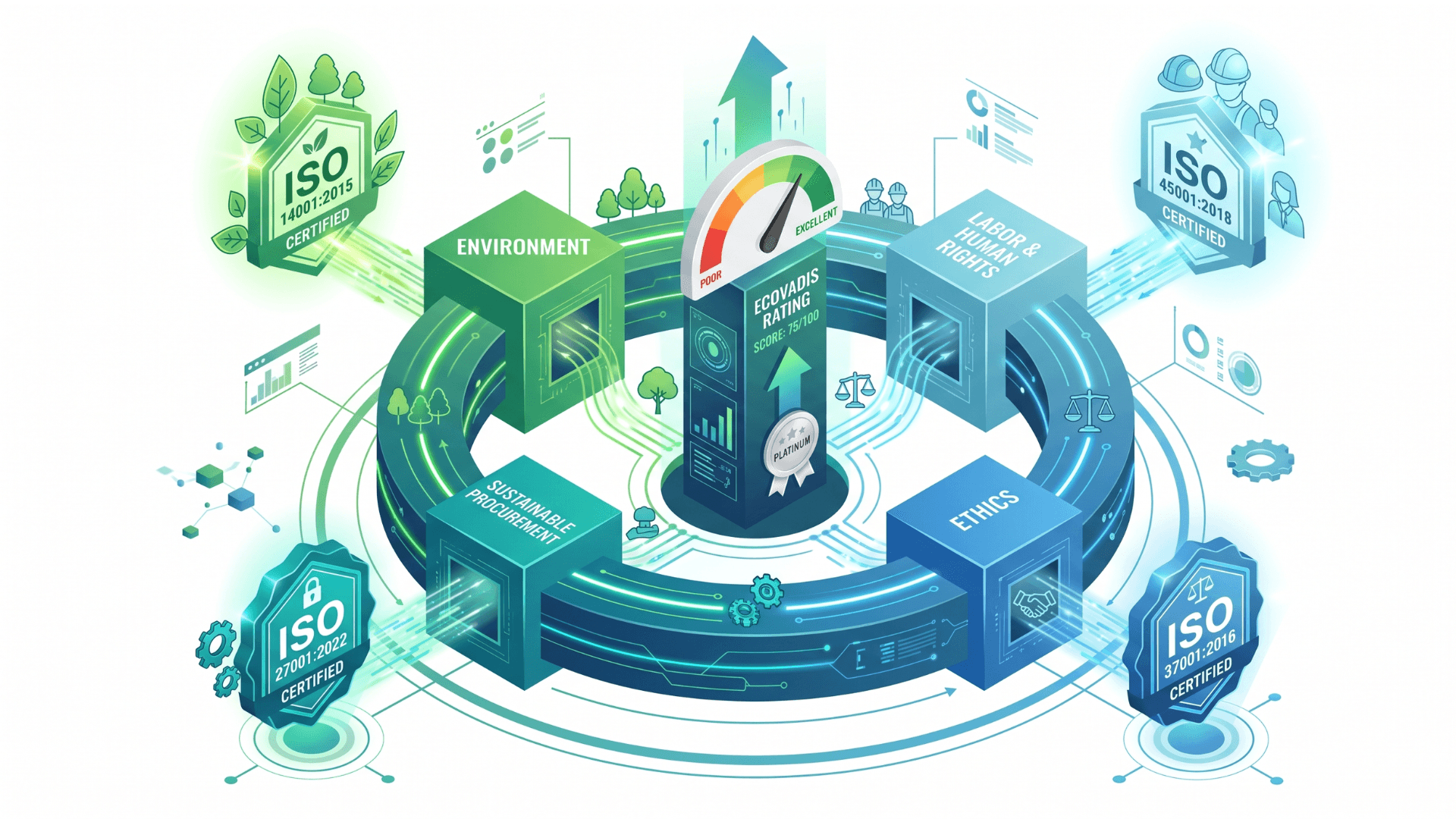
Why ISO Certificates Are the Fastest Way to Improve Your EcoVadis Score By Danushka Prabhad,...
UAE GHG Reporting: What Businesses Must Do Before the Deadline By Danushka Prabhad, Senior Sustainability...
GHG Reporting in Abu Dhabi: The Complete MRV Guide Under UAE Federal Law No. 11...

How EPDs, LCA, and FSC Certified Wood Help Achieve LEED and BREEAM Credits By Danushka...

How to Register Your Company on EcoVadis (Step-by-Step Guide) Learn how to register your company...
Boost Your Sustainability Performance with Expert Help
Work with Planet First, the trusted Sustainbility consultants in the Middle East, and ensure your sustainability performance is fully recognized.
info@theplanetfirst.org
Phone
+971 50 25 35 594

A sustainability consultancy supporting ESG reporting, carbon footprint calculations, and compliance for businesses.
Main Services
Industry & Regional Services
Contact
- 112, Normandy 2, Al Nadha 2, Dubai, UAE
- info@theplanetfirst.org
- +971 50 253 5594